When to Call Professional Towing: Tips to Avoid Vehicle Damage
Owning a vehicle comes with the inevitable reality of unexpected breakdowns, accidents, or situations where your car simply won’t start. While some minor issues can be temporarily fixed with roadside assistance or basic tools, attempting to move a vehicle improperly can lead to extensive damage, costly repairs, and even safety hazards. Recognizing when to call professional towing services is crucial to protect both your car and yourself. By understanding the right circumstances for professional intervention, drivers can avoid preventable damage while ensuring their vehicle reaches a safe location.
Vehicle towing is not just about moving a car from point A to point B; it requires expertise, proper equipment, and knowledge of vehicle-specific handling. Modern vehicles, with their advanced electronics, sensitive components, and varying drive types, can be especially vulnerable to improper towing techniques. Knowing when to seek professional help can prevent transmission issues, suspension damage, and other costly problems. This guide will provide actionable insights, real-world examples, and best practices to help drivers make informed decisions about professional towing services, ultimately safeguarding their vehicles and giving peace of mind during unexpected situations.
1. Understanding When Towing Is Necessary
Vehicle Won’t Start
One of the most common reasons for calling a tow truck is a vehicle that won’t start. Battery failure, alternator issues, or a dead starter can leave your car stranded. Attempting to push-start modern vehicles, especially those with automatic transmissions, can cause severe damage. In such cases, professional towing ensures the vehicle is safely transported to a repair facility without risking internal components.
Accidents or Collisions
After an accident, a car may be immobile, or its structural integrity may be compromised. Even if it can be driven, moving it yourself can worsen hidden damage or create safety hazards. Professional tow operators have the tools to lift, secure, and transport vehicles safely, minimizing further harm.
Stuck or Immobile Vehicles
Vehicles trapped in mud, snow, or ditches require specialized equipment to extract safely. Using improvised methods, such as towing with another car, often leads to snapped tow cables, broken axles, or bent frames. Tow professionals employ winches, flatbeds, and other machinery designed to handle these situations effectively.
2. Risks of Improper Towing
Damage to Transmission
One of the most critical risks when towing a vehicle incorrectly is transmission damage. Front-wheel-drive and all-wheel-drive vehicles are particularly vulnerable. Using traditional towing methods without lifting the drive wheels off the ground can cause gears and internal components to fail. Professionals know which vehicles require flatbed towing to avoid these costly issues.
Compromising Suspension and Tires
Dragging a vehicle with inadequate equipment can harm the suspension system and tires. Uneven lifting or improper loading can bend control arms, shock absorbers, or brake lines. Professional towing companies ensure the vehicle is lifted and secured to distribute weight safely and prevent deformation.
Electrical System Malfunctions
Modern vehicles have intricate electrical systems that can be damaged by improper towing methods. Sensors, computers, and infotainment systems are often affected if the car experiences unusual movement or strain. Tow professionals use equipment that minimizes these risks, ensuring sensitive electronics remain intact.
3. Signs You Should Call a Professional Tow
Unusual Noises or Smoke
Strange sounds, grinding, or smoke coming from the engine or undercarriage often indicate serious mechanical problems. Driving under these conditions can exacerbate the issue and create safety hazards. Calling a tow prevents further damage and allows mechanics to diagnose the problem safely.
Dashboard Warning Lights
Persistent warning lights, such as check engine, transmission, or oil pressure alerts, suggest potential mechanical failure. Ignoring these signals and attempting to drive could result in catastrophic damage. Tow operators provide a secure way to transport your vehicle to a repair center without risking further complications.
Post-Accident Vehicle Inspection
Even minor collisions can conceal hidden damage. Crumpled frames, bent suspension, or leaking fluids may not be visible immediately but can worsen if driven. A professional tow ensures your car is safely transported for a thorough inspection and necessary repairs.
4. Types of Towing Services and Their Benefits
Flatbed Towing
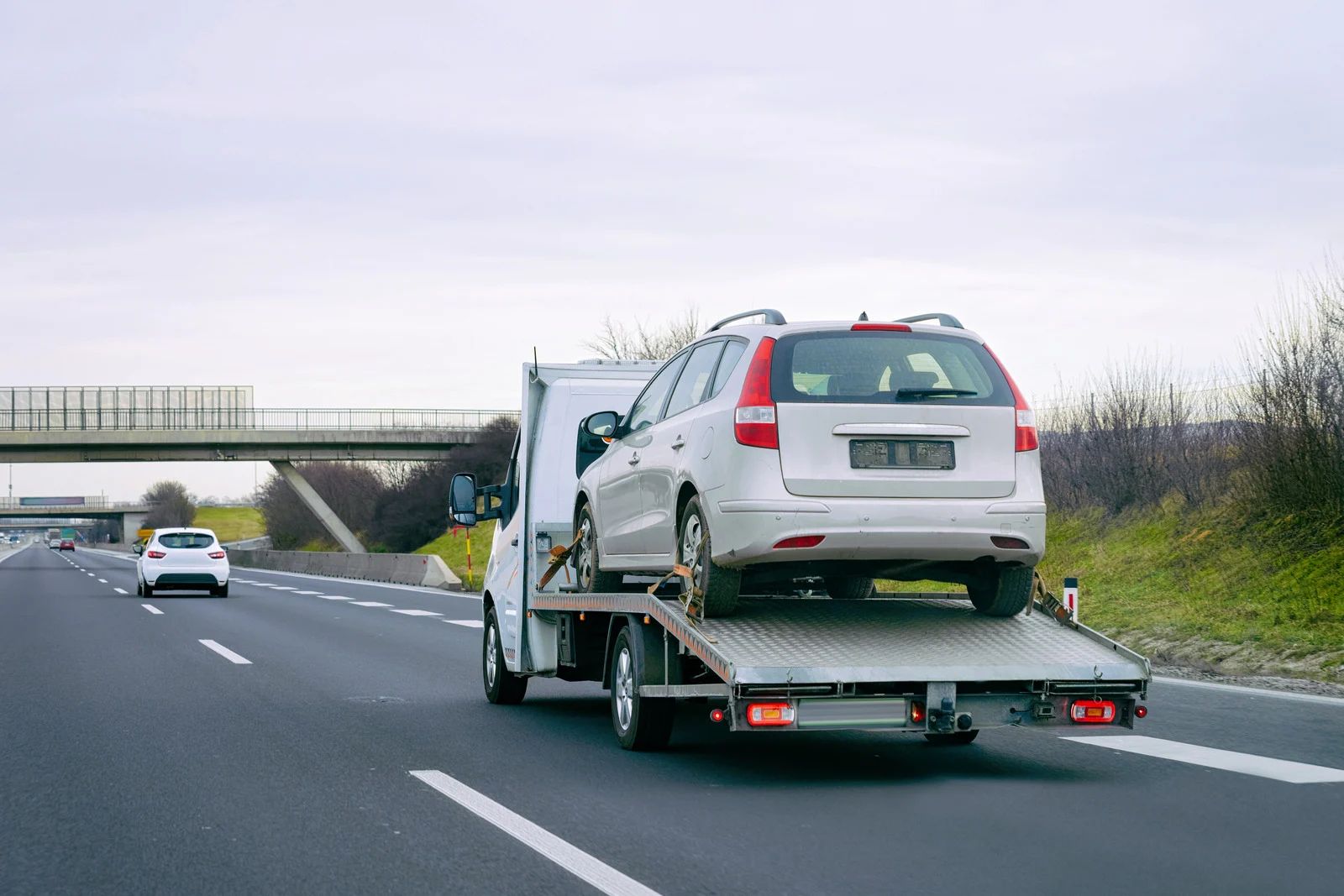
Flatbed towing is the safest method for most modern vehicles. The entire vehicle is lifted onto a flat platform, preventing wear on tires, suspension, and transmission. Flatbeds are particularly recommended for all-wheel-drive, luxury, or vintage cars where preserving vehicle integrity is essential.
Wheel-Lift Towing
Wheel-lift towing uses metal arms to lift the front or rear wheels off the ground while the other set remains on the road. This method is efficient for short-distance towing and vehicles that can withstand minimal stress, but it requires skill to avoid axle or tire damage.
Hook-and-Chain Towing
An older method involving chains attached to the vehicle’s frame is mostly phased out due to its high risk of damaging bumpers, frames, and body panels. Professionals avoid this method unless absolutely necessary, opting for safer alternatives.
Specialized Towing
Certain situations, such as transporting motorcycles, electric vehicles, or heavy-duty trucks, require specialized equipment. Professional towing services have the expertise and tools to handle these unique scenarios without causing damage.
5. Best Practices for Vehicle Owners
Keep Towing Contacts Handy
Always maintain contact information for a trusted towing service. Emergencies rarely provide time to search for reliable providers, and knowing who to call can save time, stress, and vehicle damage.
Know Your Vehicle’s Requirements
Understanding your car’s drivetrain, transmission type, and towing limits helps prevent mistakes. Manuals often provide guidance on whether a car should be towed flat or with wheels lifted. Following these specifications is critical to avoid expensive repairs.
Avoid DIY Towing Attempts
While towing with another vehicle may seem convenient, it can lead to accidents, damage to both vehicles, and even legal liability. Professional towing is safer, more efficient, and protects both the vehicle and driver.
Use Insurance and Roadside Assistance
Many insurance policies and roadside assistance programs cover professional towing. Taking advantage of these services ensures you don’t incur additional costs while keeping your vehicle safe.
6. Real-World Scenarios Demonstrating Towing Importance
Scenario 1: Engine Failure on the Highway
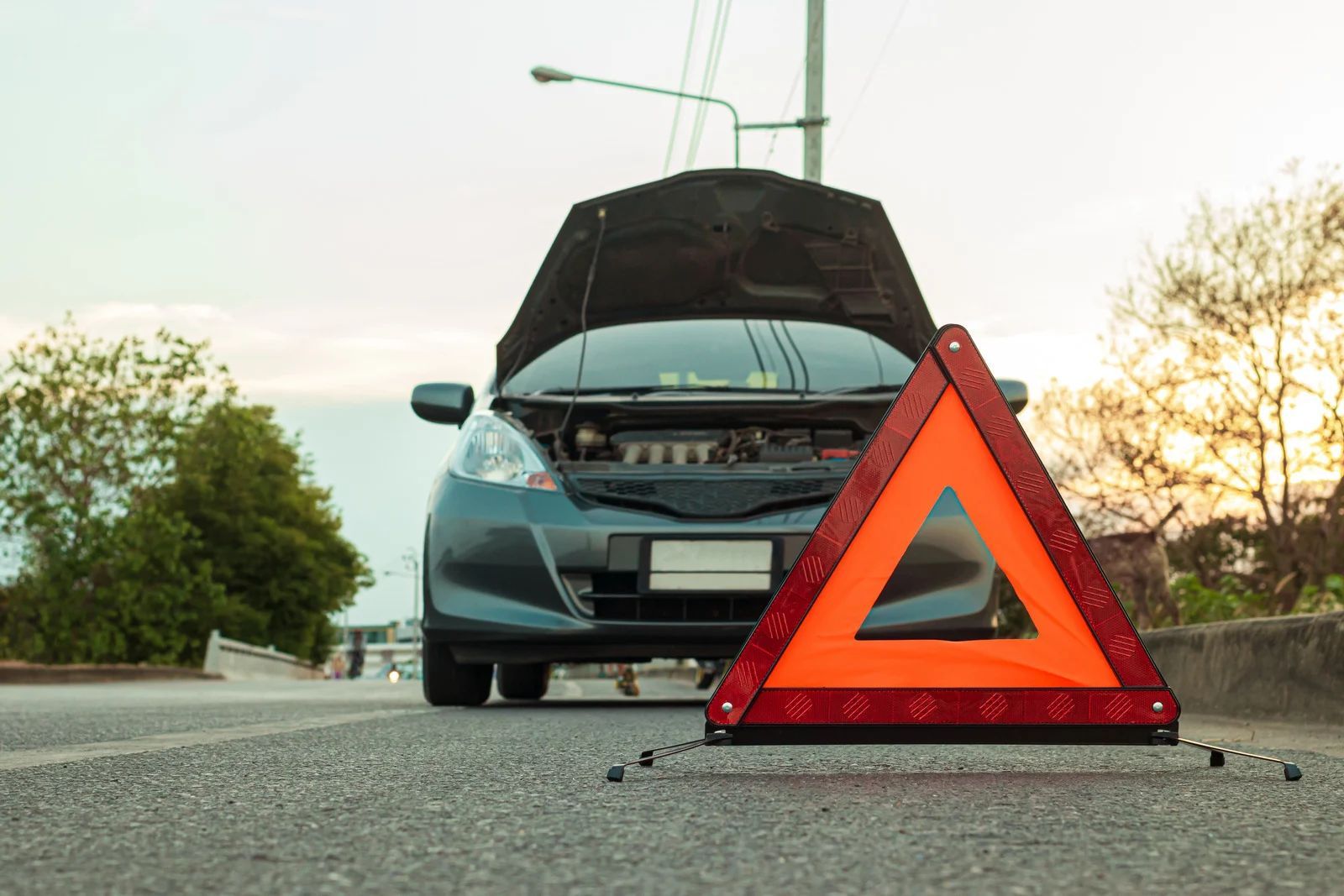
Imagine a car breaking down in heavy traffic due to sudden engine failure. Attempting to push or drive the vehicle could result in collisions or further engine damage. A professional tow secures the vehicle and clears the roadway safely.
Scenario 2: Snowstorm Extraction
A vehicle stuck in snow poses risks if you attempt to free it alone. Without winches or flatbed equipment, improper towing can damage axles or bumpers. Tow professionals handle the extraction efficiently, preventing costly repairs.
Scenario 3: Post-Collision Transport
After a minor accident, a driver may feel the car is safe to move. However, hidden frame damage or fluid leaks can worsen with continued driving. Professional towing ensures the vehicle reaches the repair shop intact, avoiding long-term issues.
Scenario 4: Transporting Specialty Vehicles
Owners of classic, electric, or high-performance vehicles often require specialized towing. Incorrect methods can void warranties or cause irreparable damage. Professional towing services ensure these vehicles are transported safely with proper handling.
7. Challenges and Considerations in Towing
Distance and Route
Long-distance towing requires planning to ensure the vehicle is transported without additional stress or wear. Professionals consider terrain, traffic, and road conditions to minimize risks.
Weather Conditions
Adverse weather, including rain, snow, or ice, can complicate towing operations. Professional tow operators are trained to navigate these conditions safely, protecting both the vehicle and driver.
Vehicle Weight and Size
Heavy trucks, SUVs, or commercial vehicles require specialized equipment. Attempting to tow these without proper tools can result in equipment failure or serious accidents. Professionals have the right gear and expertise to handle diverse vehicle types.
Cost Considerations
While towing services come at a cost, avoiding damage, costly repairs, or accidents often makes professional towing a worthwhile investment. Comparing reputable service providers ensures fair pricing without compromising safety.
8. How Professional Towing Protects Your Vehicle
Minimizes Mechanical Damage
Proper towing methods prevent strain on engines, transmissions, and suspensions. Flatbeds, wheel lifts, and other techniques ensure even weight distribution, reducing stress on vehicle components.
Enhances Safety
Professional towing reduces the risk of accidents during vehicle transport. Trained operators secure the vehicle correctly, navigate traffic safely, and handle roadside hazards efficiently.
Reduces Stress and Time
Calling a professional tow eliminates the need for risky DIY attempts. Drivers can focus on safety and reach repair facilities faster, saving time and mental stress.
Expert Knowledge and Equipment
Tow companies are equipped with advanced tools like winches, flatbeds, and specialized trailers. Their experience allows them to assess vehicle conditions and apply the safest transport method, even in challenging scenarios.
Practical Advice for Avoiding Vehicle Towing Mistakes
Recognizing when to call a professional towing service is essential to maintaining vehicle integrity, safety, and minimizing repair costs. Situations such as engine failure, accidents, immobility, and unusual mechanical symptoms highlight the importance of expert intervention. Improper towing can lead to transmission damage, suspension issues, electrical malfunctions, and other costly consequences. By understanding towing methods, vehicle requirements, and the benefits of professional services, drivers can make informed decisions that protect both their cars and personal safety. Planning ahead, knowing trusted towing contacts, and leveraging insurance coverage further streamline the process, ensuring peace of mind in unexpected situations.
For residents and drivers in Statesville, North Carolina, The Towing Company LLC offers dependable, professional towing services backed by 15
years of experience. Our team is dedicated to safe, efficient, and reliable vehicle transport, handling everything from routine breakdowns to complex extractions. Equipped with flatbeds, wheel lifts, and specialized tools, we protect every vehicle’s mechanical and electronic systems. With a focus on customer satisfaction, rapid response times, and expert handling, we stand as a trusted authority for all towing needs. Whether it’s a roadside emergency or a planned transport, our experienced professionals provide peace of mind and vehicle protection every step of the way.