Grinding or Squealing When You Brake? What It's Telling You
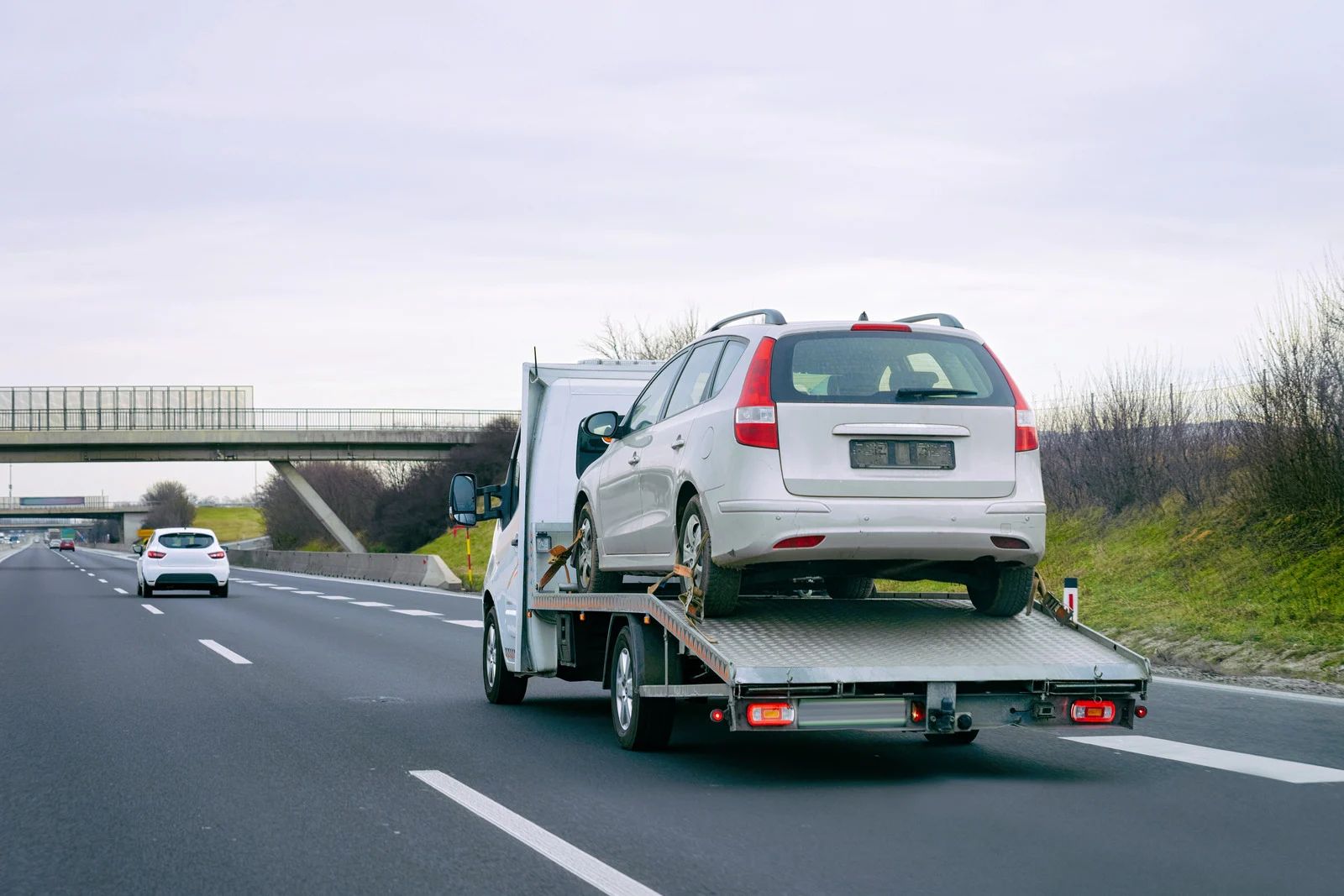
Quick Answer: A squeal is usually a built-in wear indicator or a thin layer of surface rust doing exactly what it's supposed to do, and in most cases it's fine to drive straight to a shop and get the pads checked. A grinding or scraping sound is a different problem — it usually means the pad material is worn through and metal is contacting metal, which cuts your stopping power and can score the rotor with every mile you drive. If what you're hearing is grinding, especially alongside a soft or pulsing pedal, the safer move is to stop driving and get the car towed rather than push it to a shop yourself.
You ease off the gas and touch the brake pedal at a stoplight, and instead of the quiet stop you're used to, you get a sharp screech, or something lower and rougher that seems to come from inside the wheel itself. Your instinct is probably right that brakes don't make noise like this without a reason. But a squeal and a grind aren't the same warning, and they don't call for the same response. One usually means "get this looked at soon." The other can mean "don't drive on this."
What a Squeal Is Usually Telling You
Most brake pads are built with a small metal tab, sometimes called a wear indicator, riveted into the backing so it starts touching the rotor once the friction material wears down to a specific thickness. That contact produces a high-pitched squeal on purpose, so you notice it before the pad is actually gone. It's a warning built into the part, not a sign that something has already failed.
Squealing can also show up for reasons that have nothing to do with wear. A thin film of surface rust forms on the rotor overnight or after the car sits in a humid garage, and it typically squeaks for the first few stops of the day until normal braking wears it off. Dust, road grit, or a glaze on the pad surface from repeated light braking can do something similar. None of these are dangerous on their own, and the noise usually settles down once the rotor surface clears.
The distinction that actually matters is whether the squeal is occasional and fades, or whether it's showing up on every stop and getting louder over days or weeks. A squeal that's sticking around and intensifying is the wear indicator doing its job, not moisture or dust, and it's telling you the pad is getting close to the end of its usable material.
What Grinding Is Usually Telling You
Grinding is a different sound and, most of the time, a different stage of wear. Once a pad wears past its friction material and past the wear indicator, the metal backing plate underneath is what's left, and that backing plate contacts the rotor directly. The result is a low, coarse grinding or scraping noise that often gets worse the harder you press the pedal, and it can carry a faint metallic smell along with it.
A worn pad isn't the only source of it, either. A rock or a piece of road debris can lodge between the caliper and the rotor and grind with every rotation of the wheel, sometimes constantly rather than only when you brake. A rotor that's rusted or pitted after long periods of sitting unused, or one that's warped, can also produce a scraping sound. What ties these causes together is that grinding almost always means metal is contacting metal somewhere in the system, whether that's a worn pad, a damaged rotor, or something caught between the two, and none of those situations improve by driving on them longer.
How to Tell Them Apart From the Driver's Seat
You don't need to get under the car to make a reasonable read on what you're hearing. A squeal is typically high-pitched, tied specifically to the moment you press the pedal, and often quiets down or disappears once you're a few stops into your drive. A grind is lower, rougher, and more likely to show up consistently, sometimes even with your foot off the brake if debris is involved.
Pay attention to what else is happening at the same time. A squeal on its own, with the pedal feeling normal and the car stopping the way it always has, generally points toward the wear-indicator or surface-rust explanation. A grind paired with a pedal that feels softer than usual, a vibration you can feel through the pedal or steering wheel, or a stopping distance that seems longer than it should is a stronger signal that you're dealing with worn-through pads or a damaged rotor rather than a minor annoyance.
Tip: Notice whether the noise comes from one side or seems to affect the whole car. Brake wear is often uneven side to side, so a noise concentrated at one wheel, or a car that pulls slightly to one side under braking, points toward a specific corner of the car rather than a system-wide issue, which is useful information to pass along once you do get it looked at.
Is It Safe to Keep Driving?
This is the part that actually changes what you do in the next few minutes, not just what you tell a mechanic later. A squeal by itself, with a pedal that feels normal, is generally safe to drive on for a short trip to get the pads inspected. You're not risking a sudden loss of stopping power by driving a few more miles once you've noticed a wear-indicator squeal, though letting it go for weeks is how a squeal turns into a grind.
Not so with grinding. Once metal is on metal, your stopping distance is already longer than it should be, and it keeps getting worse the more you drive, since a bare backing plate wears down a rotor far faster than a proper pad ever would. Central North Carolina's mix of highway grades and stop-and-go stretches through Statesville, Mooresville, and out along I-40 and I-77 asks a lot of brakes that are already compromised, particularly on longer downhill runs or in summer heat, when a system that's already working harder than normal has less margin left before it overheats. If you're hearing a grind, driving it to a shop yourself, especially any distance on the highway, is a real gamble with your stopping power. Getting it towed instead removes that risk entirely.
There's a middle case worth naming directly: a grind that shows up only at low speed, like pulling into a driveway or a parking space, can sometimes be a lodged rock rather than worn pads. Even so, treat it as grinding until you know otherwise, since the sound alone doesn't tell you which cause you're facing, and both a worn pad and trapped debris deserve a look before you put more miles on the car.
What to Do While You Wait
If you've decided the noise is serious enough to stop driving, a few habits make the wait safer regardless of where you are. Avoid resting your foot on the brake pedal while you're stopped, since light, constant pressure adds heat and wear to a system that's already compromised. If you do need to move the car a short distance, use lower gears on any downhill grade so the engine helps slow the car instead of leaving the brakes to do all the work.
Leave more following distance than usual for any driving you do before help arrives, and avoid situations that call for hard, sudden stops, like merging into fast highway traffic or following closely in stop-and-go conditions. A
brake system that's already down on stopping power needs more room and more time to react than it usually would.
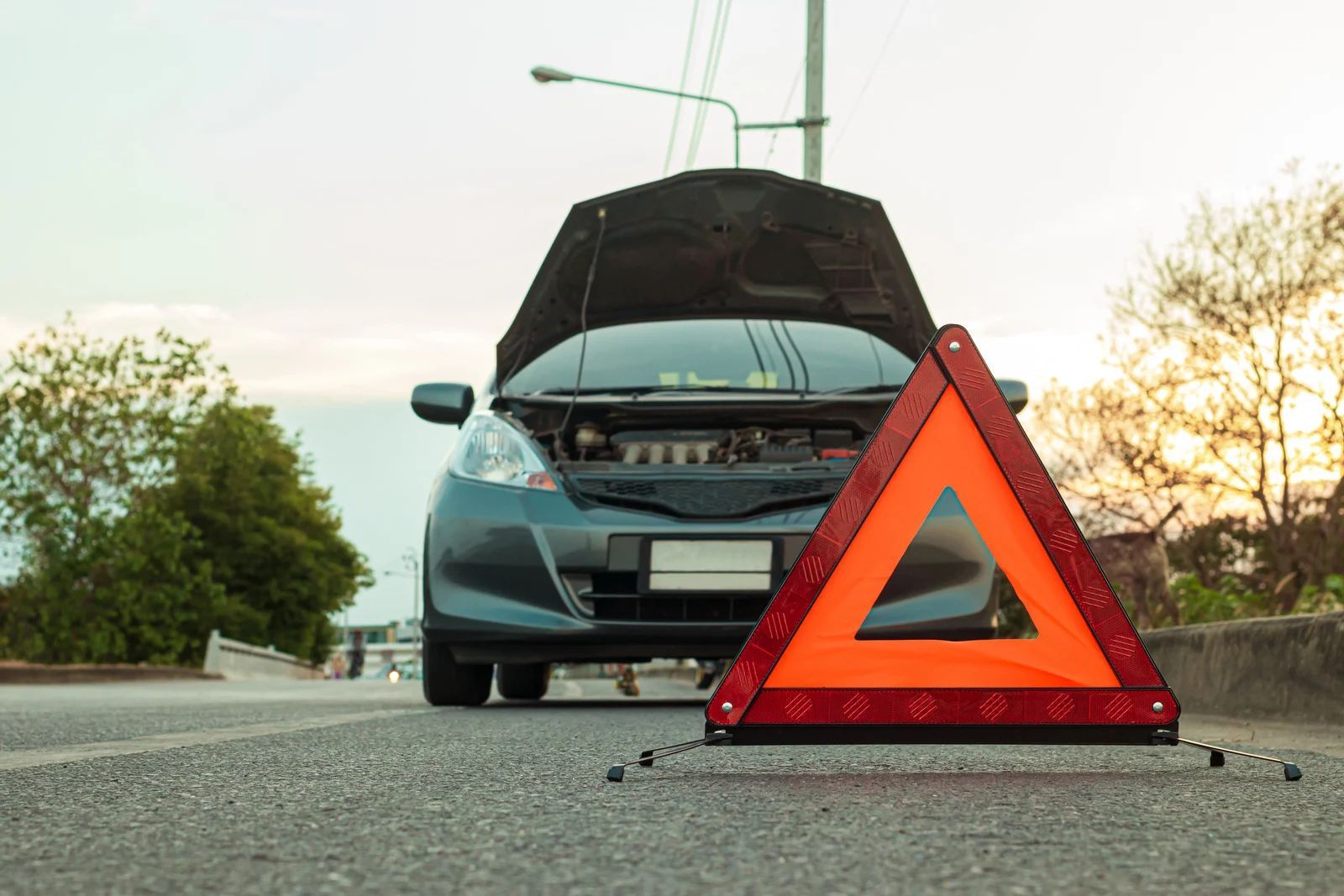
Warning: A brake pedal that suddenly goes soft, sinks toward the floor, or needs to be pumped to build pressure is a different and more urgent problem than ordinary grinding, and it can mean a loss of hydraulic pressure rather than simple pad wear. If that happens, get the car off the road immediately and don't attempt to keep driving, even a short distance, since that kind of failure can progress from a soft pedal to no brakes at all with very little warning.
Frequently Asked Questions
Can brakes squeal even when the pads still have plenty of life left?
Yes. Moisture, overnight rust, and dust glaze can all trigger a temporary squeal unrelated to pad thickness. The noise usually clears within the first few stops. If it lingers, treat it as a wear indicator.
Why does my car only grind when I'm going slow or turning into a driveway?
A low-speed grind is often debris, like a small rock, caught between caliper and rotor rather than worn pads, since pad problems show at any speed. Have it checked, since debris can score a rotor.
Is it okay to drive a few miles with grinding brakes to reach a shop?
It's a real risk, not a safe assumption. Grinding means reduced stopping power right now, so every mile wears the rotor and shortens your margin. A short trip might work, but towing removes the gamble.
Does grinding always mean the brake pads are completely gone?
Usually, but not always. A rusted or damaged rotor, or debris lodged in the caliper, can still grind even with some pad material left. Only a direct look at the wheel reveals the real cause.
What does it mean if the noise is coming from just one wheel?
Uneven wear front to rear, or side to side, is common, since braking load isn't shared equally across all four corners. A noise isolated to one wheel points to that specific corner needing attention first.
Can a grinding sound be something other than the brakes?
It's possible, though brakes are the likelier source when the noise changes with pedal pressure or speed. A wheel bearing, loose heat shield, or worn CV joint can mimic brake grinding, so physical inspection matters.
Should I still drive on the highway if my brakes suddenly sound or feel different?
No. Highway speeds ask far more of your brakes than neighborhood driving, so any sudden change in sound, pedal feel, or stopping distance means exiting at the next safe point rather than continuing at speed.
Will resting my foot lightly on the brake pedal while I wait cause more damage?
It can. Even light, steady pressure keeps generating heat and wear in a system that may already be compromised, whether from a worn pad or a damaged rotor. It's a small habit, but worth breaking.
Knowing When a Brake Noise Deserves a Tow
The gap between a squeal and a grind is the whole story here. A high-pitched screech that fades after a few stops is usually a wear indicator or light surface rust, earning you a calm trip to the shop soon. A low, rough grind means metal has found metal, your stopping distance is already shrinking, and every added mile wears the rotor further. Name the sound honestly, and the safe next move tends to name itself.
That judgment gets easier with time, which is exactly what a seasoned local crew brings to it. Serving Statesville, NC and the wider Lake Norman area for 15
years, The Towing Company LLC
has heard the difference between a nuisance squeal and a rotor already grinding itself down more times than most drivers ever will. When the noise leaves you unsure whether the car is safe to move, that experience is what separates a manageable repair from a dangerous one.