Car Overheating on the Interstate? Why You Should Pull Over Now
Quick Answer: If your temperature gauge spikes or steam rises from under the hood, signal, move to the right shoulder, and shut the engine off as soon as it is safe. Every extra mile on an overheated engine raises the odds of warped metal, a blown head gasket, or a seized motor. Turn off the air conditioning while you look for a place to stop, leave the hood closed until steam stops, and never open the radiator cap on a hot engine. If coolant is leaking, the belt is gone, or the needle returns to hot after a short rest, the car should be towed rather than driven.
The needle on your dash drifts past the middle, then keeps climbing. A red thermometer light flashes, maybe a sweet smell drifts through the vents, and then you notice white wisps curling out from under the hood. You are doing 65 miles an hour with trucks on both sides, and every instinct says to keep going until the next exit. That instinct is the most expensive mistake a driver can make, because an overheating engine is not a problem that waits politely. This guide covers what is happening under the hood, what to do in the first minute, and why a tow is often the smartest way to finish the trip.
Why an Overheating Engine Cannot Wait for the Next Exit
Your engine runs on controlled heat. Coolant circulates through passages in the engine block and cylinder head, carries heat to the radiator, and a thermostat, water pump, and cooling fan keep the temperature in a narrow range. When any part of that loop fails, heat has nowhere to go, and the metal absorbs it.
Aluminum cylinder heads, which most modern engines use, expand quickly when they get too hot. Once they pass their limit they can warp, and a warped head no longer seals against the block. That is how a head gasket fails, letting coolant leak into the cylinders or oil, and it is the repair every driver wants to avoid. Pistons can score the cylinder walls. In the worst cases the engine seizes entirely.
The part that surprises people is how fast this happens. A gauge that has just entered the red zone is often minutes away from damage, not hours. Driving two more miles to reach an exit feels harmless, but those two miles can turn a hose or thermostat repair into a major engine job. Pulling over early costs you a few minutes. Pushing on can cost you the engine.
What to Do in the First Sixty Seconds
Stay calm and work through the steps in order. Begin by turning off the air conditioning, since the compressor adds load to the engine. Some drivers also turn the cabin heat to full and run the fan on high, which pulls a little warmth away from the engine and into the cabin. It will be uncomfortable, but it can buy you the distance you need to reach a safe place to stop.
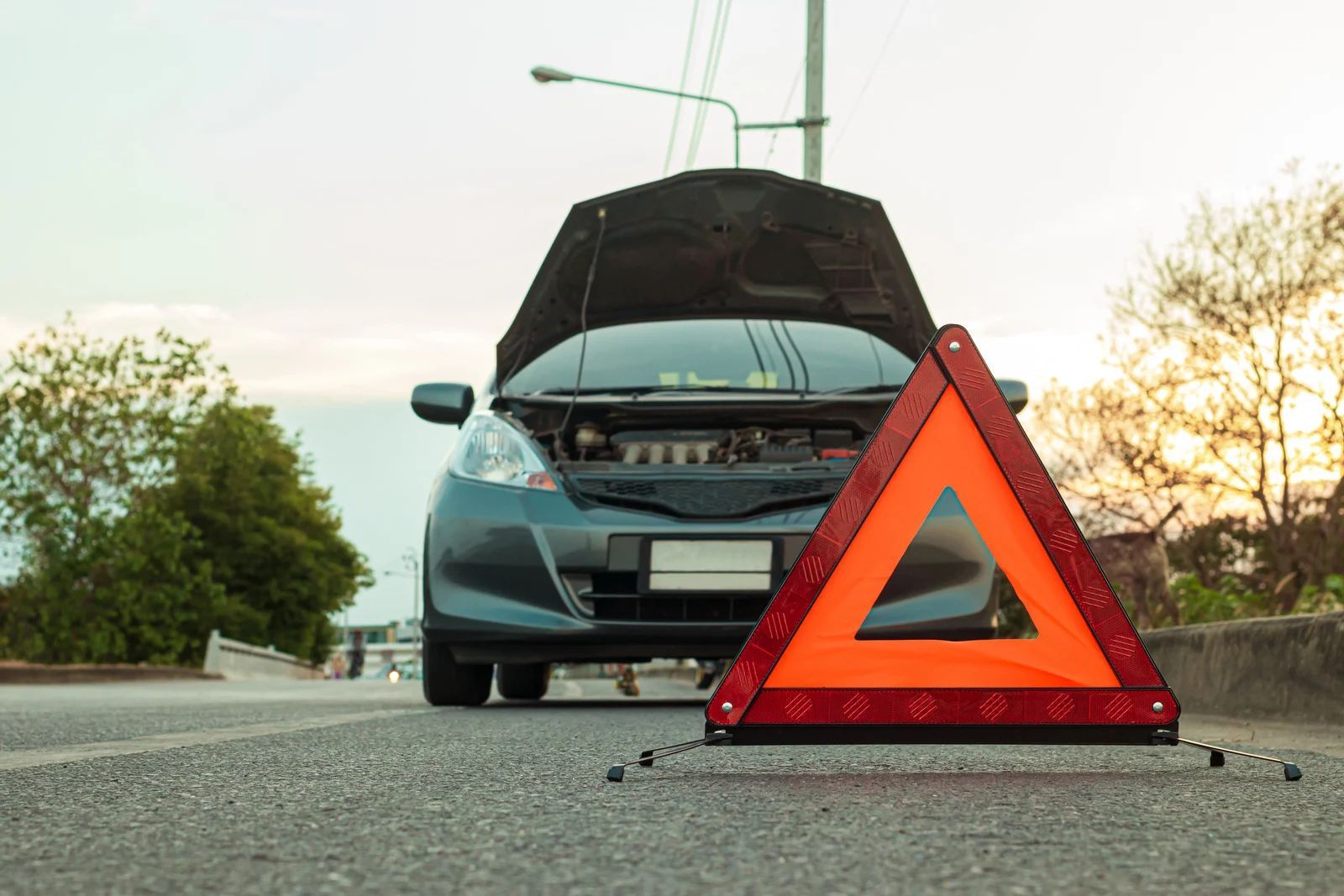
Then check your mirrors, signal early, and move toward the right shoulder. Look for the widest, flattest spot you can reach, ideally well before a bridge, curve, or on ramp. Avoid stopping in tall dry grass, since a hot exhaust and a leaking engine are not a good combination. Once you are stopped, put the car in park, set the parking brake, and turn on your hazard lights.
Turn the engine off if you see steam, smell coolant, or hear any knocking or ticking. If there is no steam and no leak, some manufacturers say you can leave the engine idling briefly to confirm the cooling fan is spinning, and shut it down if the fan is not running. When in doubt, shut it off. A silent engine cannot get any hotter from running.
Tip: Before you pull away from the shoulder on a day when the car is overheating, take a photo of the gauge and note the mile marker or exit number. That information helps a tow operator find you quickly on a long stretch of interstate and helps the mechanic understand how hot the engine actually got.
Staying Safe on the Shoulder While the Engine Cools
Heat is only one hazard here. You are also a few feet from fast traffic, so treat the shoulder as dangerous. Central North Carolina drivers know that Interstate 40 and Interstate 77 around Statesville, Mooresville, and Hickory carry heavy commuter and freight traffic, and the shoulders are not always generous. If the shoulder is narrow, staying in the car with your seatbelt on is usually safer than standing next to the lane. If you must get out, use the passenger side and move well away from the road.
Keep the hood closed while you see steam or hear hissing. Opening it early can release a rush of scalding vapor and coolant. Wait until the steam stops, and then wait longer. An engine bay can stay hot enough to burn skin for 30 minutes or more, and the exhaust manifold and radiator stay hot even longer.
Never remove the radiator cap or the coolant reservoir cap while the engine is hot. The cooling system runs under pressure, and the pressure is what raises the boiling point of the coolant. Release that pressure by opening the cap and superheated coolant can spray out with serious burn risk. If you want to look at the coolant level, use the translucent reservoir markings on the side of the tank and only check once the engine is cool to the touch.
Warning: Do not pour cold water on a hot engine. A sudden temperature change can crack the cylinder head or engine block, turning a repairable problem into a ruined engine. If you add coolant, wait until the engine has cooled and add it slowly with the engine off.
Common Reasons a Car Overheats
Knowing the likely cause helps you decide whether the car can be driven. Low coolant is the most common reason, usually from a slow leak at a hose, clamp, radiator, or water pump that has been developing for weeks. A stuck thermostat can trap coolant in the engine instead of sending it to the radiator. A failed water pump stops circulation altogether, and a broken serpentine belt takes the pump out with it on many engines.
The cooling fan is another culprit. On the highway the airflow through the grille does most of the cooling, so a dead fan often shows itself in stop and go traffic, during a long wait at an exit, or just after you slow down. A clogged radiator, a collapsed hose, or a weak radiator cap can cause the same symptoms. In a North Carolina summer, with pavement temperatures well past 100 degrees and the air conditioning working overtime, a cooling system that was marginal in spring can fail on the first hot afternoon.
Some of these causes are simple, and some are not. The trouble is that you cannot tell them apart from the shoulder. A thermostat and a blown water pump look the same from the driver seat: a rising needle and steam. That uncertainty is a good reason not to gamble on driving the car.
When It Is Safe to Add Coolant and Drive On
There is one situation where continuing might be reasonable. The engine has cooled completely, you can see that the coolant reservoir is low, there is no sign of a large leak, and the belt is intact. In that case, adding the right coolant to the reservoir, up to the level marked on the tank, may get you to a nearby shop. Plain water works as a short term emergency measure but dilutes the coolant mix, so it is only a bridge to a proper fix.
Even then, watch the gauge closely. If the needle starts to climb again, stop immediately. A cooling system that loses fluid twice has a real leak, and each heat cycle adds more risk to the engine. Do not use the second warning as a reason to try one more mile.
When You Should Call for a Tow Instead
Call for a tow without second guessing if any of the following apply:
Coolant Is Visibly Leaking
Puddles under the car, a spray from a hose, or a steady drip mean the system will empty quickly once you start moving.
The Belt Is Broken Or Missing
Without the belt, the water pump and alternator stop turning, and the engine will overheat within minutes.
The Needle Returns To Hot Shortly After Restarting
That points to a failed pump, a stuck thermostat, or a head gasket problem that a splash of coolant cannot fix.
You Smell Burning, See Oil That Looks Like A Milkshake, Or Hear Knocking
These are signs of internal damage, and more driving makes it worse.
You Are On A Busy Interstate With No Safe Place To Wait
A flatbed tow gets the car off the road and protects you from the traffic.
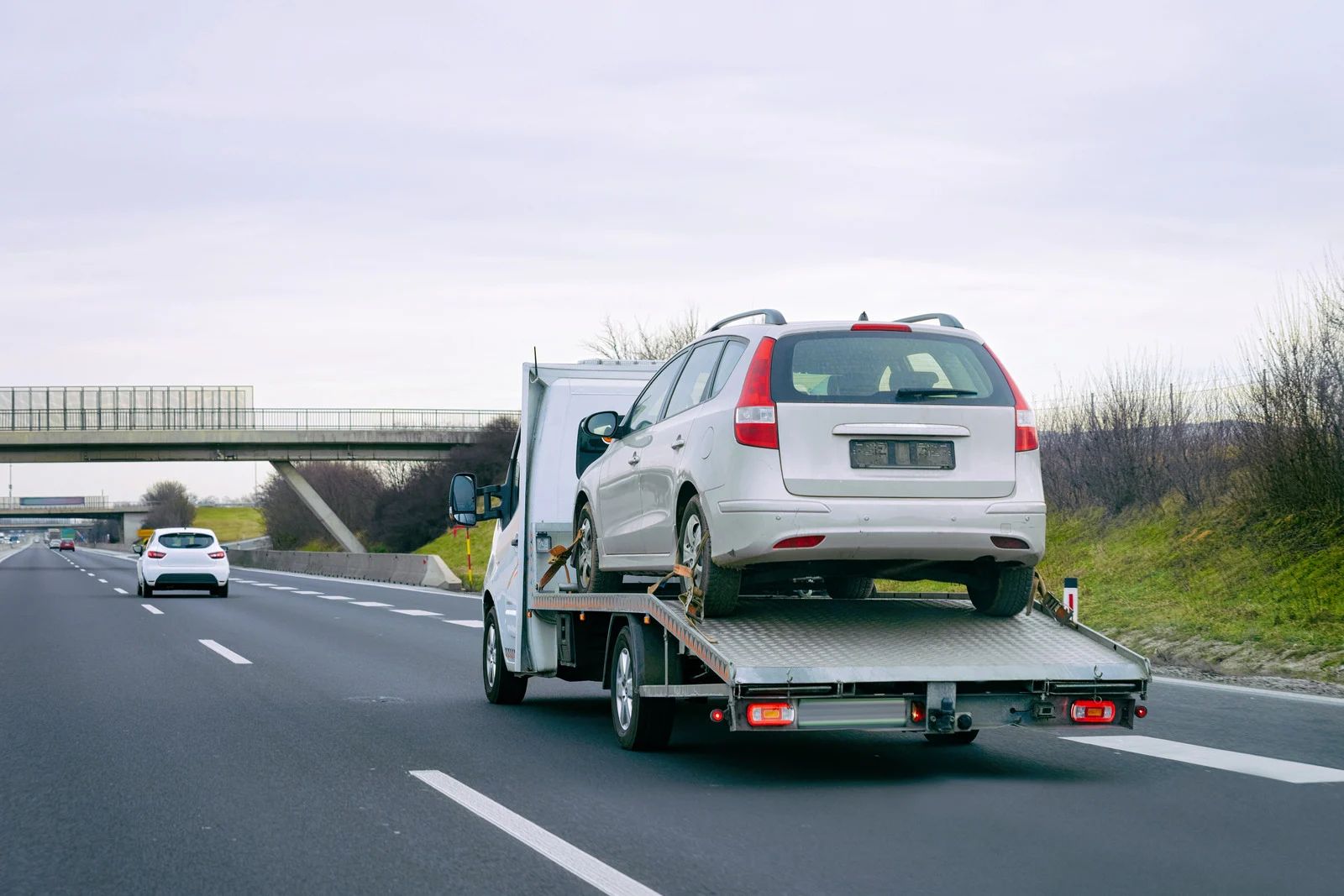
Flatbed towing is the best choice for an overheated car, because it keeps the drivetrain from turning and spares a damaged engine and transmission any further strain. After the car is loaded, the operator takes it to a shop where the cooling system can be pressure tested, the thermostat and pump inspected, and the true cause identified before anything is replaced.
What a Shop Checks After an Overheating Event
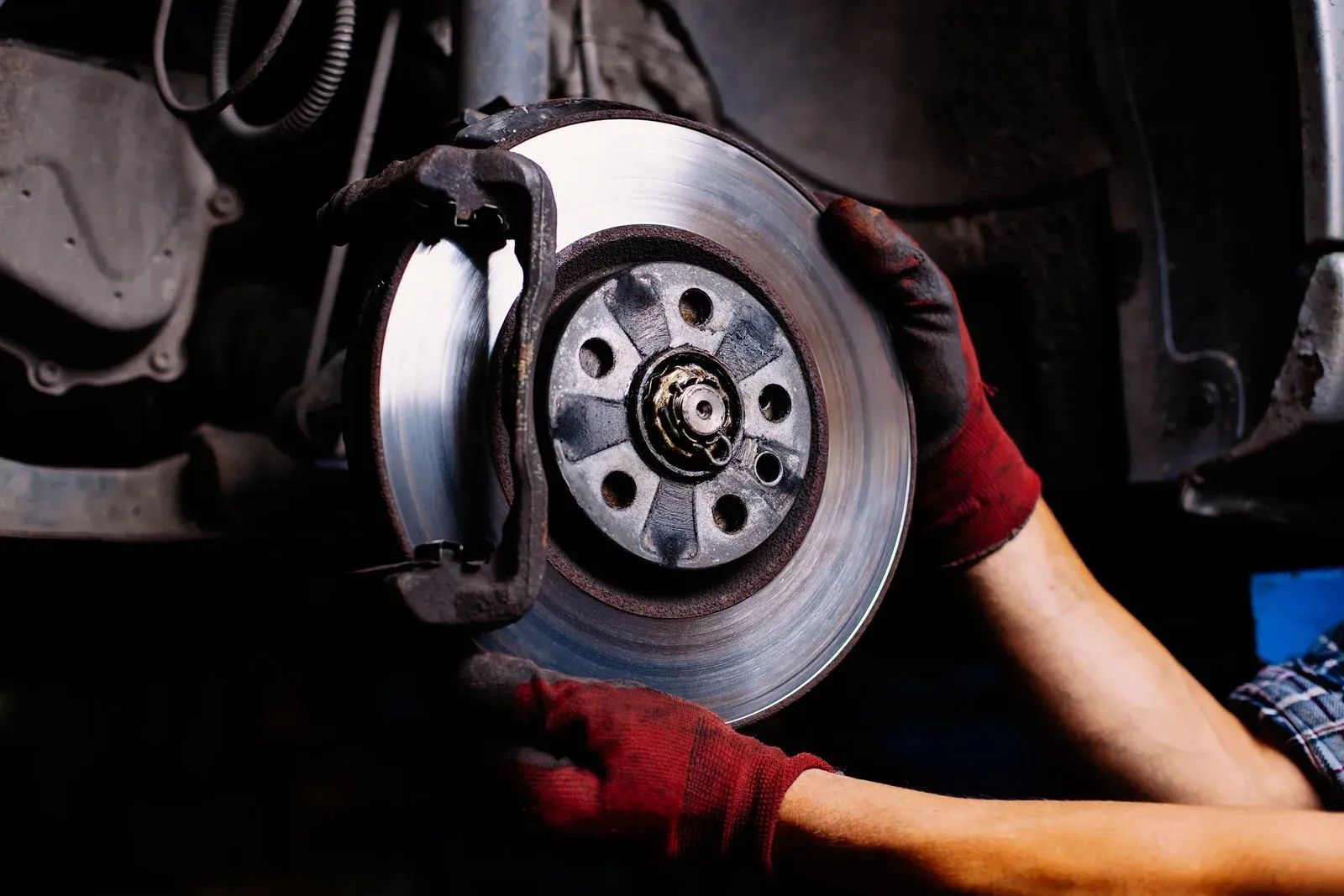
A good technician starts with a pressure test of the cooling system to find external leaks, then looks at hoses, clamps, the radiator, and the cap. The thermostat, water pump, fan, and belt come next. They also check the oil for signs of coolant contamination and test for combustion gases in the coolant, which is a quick way to spot a head gasket problem early.
If the overheating event was caught quickly, the repair is often a hose, thermostat, or fan, and the engine is fine. This is the real payoff of pulling over right away. A prompt stop keeps many overheating problems in the minor repair category. A delayed stop is how they end up in the major category.
Keeping It from Happening Again
A few habits make a roadside overheating event far less likely. Check your coolant level in the reservoir when the engine is cold, and note any drop between checks. Look at hoses for cracks, bulges, or soft spots, and watch for a sweet smell or a white crust around the connections. Keep up with the coolant flush interval in your owner manual, since old coolant loses its protective additives and can corrode the radiator from inside. Before a long summer drive, have the system inspected, because small problems tend to show up when the heat is highest.
Pay attention to the gauge in everyday driving. A needle that sits a little higher than usual in traffic, or the fan running louder and longer, is an early warning that the system is working too hard.
Frequently Asked Questions
How long should I wait before opening the hood on an overheated car?
Wait until no steam or hissing remains, then give the engine at least 30 minutes to cool. Open the hood carefully with your face back, and leave the radiator and reservoir caps closed until cool.
Is it okay to keep driving if the temperature light comes on briefly?
A temperature warning light means the engine already reached a risky point. Pull over and shut it off as soon as it is safe. Even if the light clears, have the car checked before driving on.
Can I add water to my radiator in an emergency?
Plain water gets you a short distance when nothing else is available, but only add it once the engine has cooled and only through the reservoir. Have the system drained and refilled properly soon afterward.
Why did my car overheat only in traffic?
At highway speed, air through the grille cools the radiator. In slow traffic the fan does that job, so a weak fan, failing relay, or clogged radiator shows up when you slow down and idle.
Should I turn the heater on when the engine overheats?
Running the heater at full blast pulls some heat out of the engine and may help briefly while you look for a place to stop. It is only a stopgap, so still get off the road.
How do I know if my engine is damaged?
Warning signs include white exhaust smoke, a milky look to the oil, coolant vanishing with no visible leak, a rough idle, or overheating soon after refilling. Only a shop inspection and pressure test confirm it.
Choose The Early Stop Over The Hopeful Mile
An overheating engine gives you a short window to make a good decision, and the best decision is nearly always the early one. Move to the shoulder, shut the engine down, stay clear of the steam, and let the car cool before you weigh anything else. The needle climbs faster than it looks, so the few minutes you spend pulling over protect the one thing a splash of coolant cannot replace, which is the engine itself.
The Towing Company LLC
has spent 15
years answering this exact call for drivers around Statesville, NC, and the lesson holds every summer: the car that stops early usually needs a hose, while the car that pushes on often needs far more. A flatbed keeps the drivetrain from turning, and a full mechanic shop at the other end finds the true cause before any part is replaced, so the trip ends with a repair you can trust.